A Plain-English Look at How Modern Logistics Works
Logistics can sound technical and distant, like something that only global corporations or freight companies need to understand. In reality, it touches almost every part of modern life. If you’ve ever ordered something online, moved house, shipped a vehicle, or relied on stocked supermarket shelves, you’ve benefited from logistics working properly.
At its simplest, logistics is about organizing movement. It’s the planning, coordination, and execution of getting goods from one place to another in the safest, fastest, and most cost-effective way possible. Modern logistics does this at a scale and speed that would’ve seemed impossible a generation ago.
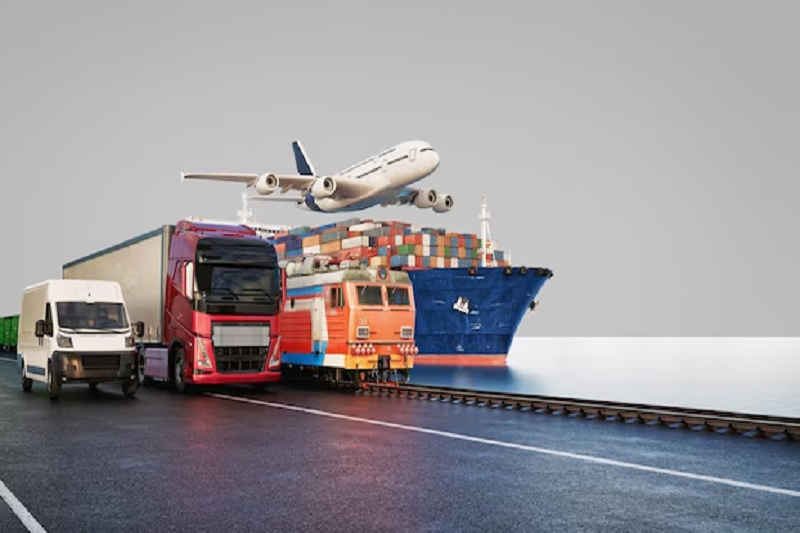
Here’s how it really works, step by step, in plain English.
It Begins with a Clear Need
Every logistics process starts with a request. Someone needs something moved.
That could be:
- A retailer restocking inventory
- A manufacturer sending components to a factory
- A dealership transferring vehicles
- An individual arranging transport for a motorcycle
The first stage is defining the job clearly. What’s being moved? How big is it? Is it fragile? When does it need to arrive? Where exactly is it being collected and delivered?
The clearer the information, the smoother the rest of the process becomes. In logistics, vague details create delays.
Matching the Job with the Right Carrier
Once the details are confirmed, the next step is finding the right transport provider. In the past, this involved phone calls, manual scheduling, and limited visibility. Today, digital platforms make this far more efficient.
Modern systems allow customers to list transport requirements and receive competitive quotes from verified carriers. This increases transparency and often improves pricing.
For example, arranging vehicle transportation in Pennsylvania can involve sharing the vehicle type, collection and delivery locations, and preferred timeframe. Carriers then respond with availability and pricing, allowing the customer to choose the option that fits best.
This marketplace model improves efficiency for both sides. Carriers can fill available capacity and customers gain access to more options.
Planning the Route Intelligently
Once a job is confirmed, route planning becomes critical.
Logistics companies use specialized software to calculate the most efficient journey. This goes beyond simply choosing the shortest distance. It includes:
- Traffic patterns
- Road conditions
- Weight restrictions
- Fuel costs
- Weather forecasts
- Delivery deadlines
The aim is to reduce wasted time and unnecessary mileage while keeping schedules reliable. In large-scale operations, even small route adjustments can save significant time and money.
Efficient routing also reduces environmental impact by lowering fuel consumption.
Warehouses and Distribution Hubs
Not every shipment travels directly from sender to recipient. Many goods pass through warehouses or distribution centers along the way.
These facilities act as sorting and coordination hubs. Shipments are grouped together based on destination, reorganized for onward travel, or stored temporarily. This process allows large volumes of goods to move in structured stages rather than chaotic individual journeys.
Warehousing also supports inventory management. Businesses can store products closer to customers, reducing delivery times and improving availability.
Real-Time Tracking and Transparency
One of the biggest advancements in modern logistics is visibility.
GPS tracking and digital dashboards allow customers and businesses to monitor shipments in real time. Instead of waiting without updates, people can see where their goods are and when they’re expected to arrive.
This transparency has changed expectations. Customers now assume they’ll receive updates and notifications. Businesses rely on tracking data to adjust schedules and respond quickly to unexpected disruptions.
Visibility builds trust. It also reduces anxiety around valuable or time-sensitive deliveries.
Safety and Compliance
Logistics isn’t just about speed; it’s also about responsibility.
Goods must be secured properly. Vehicles must meet safety standards. Drivers must follow regulations regarding working hours and road safety. Insurance coverage protects both parties in case of unexpected incidents.
For specialized shipments such as vehicles or machinery, extra care is required. Loading techniques, secure fastening, and protective measures reduce the risk of damage.
Behind every successful delivery is a framework of compliance and accountability.
Technology Connects the System
Modern logistics depends heavily on technology. Digital booking systems streamline coordination. Automated inventory tools keep stock levels accurate. Data analytics predict demand spikes and seasonal trends. Electronic documentation speeds up administrative processes. Technology also enables better forecasting. Businesses can analyze past patterns to anticipate future needs, reducing last-minute scrambling.
Even small shipments benefit from this infrastructure. What once required complex manual coordination can now be handled efficiently through digital systems.
Handling the Unexpected
No logistics plan unfolds perfectly every time. Weather conditions change. Traffic builds. Mechanical issues occur. Modern logistics works because it combines structured planning with adaptability. When delays arise, systems allow rapid communication and rerouting. Contingency planning is part of the process, not an afterthought.
This balance between order and flexibility is what keeps goods moving even when conditions are less than ideal.
Why Logistics Matters More Than Ever
Logistics operates quietly in the background, yet it underpins modern economies. From online shopping to global manufacturing, reliable transport networks are essential.
Efficient logistics reduces costs for businesses, speeds up delivery for consumers, and keeps supply chains stable. When systems function well, shelves stay stocked, projects stay on schedule, and vehicles arrive safely at their destinations.
When logistics breaks down, the effects ripple quickly.
The Big Picture
At its core, modern logistics is coordination at scale. It brings together planning, technology, infrastructure, and human expertise to move goods smoothly across distances.
It starts with a simple need and unfolds into a carefully organized process involving route optimization, digital tracking, secure handling, and responsive communication.
Strip away the jargon, and logistics becomes easier to understand. It’s about clarity, organization, and reliable execution. It’s about turning movement into a system rather than leaving it to chance.
And when that system works well, it keeps businesses running, customers satisfied, and communities connected every single day.
Author Profile

- I am the owner of the blog readree.com. My love for technology began at a young age, and I have been exploring every nook and cranny of it for the past eight years. In that time, I have learned an immense amount about the internet world, technology, Smartphones, Computers, Funny Tricks, and how to use the internet to solve common problems faced by people in their day-to-day lives. Through this blog, I aim to share all that I have learned with my readers so that they can benefit from it too. Connect with me : Sabinbaniya2002@gmail.com
Latest entries
 BlogSeptember 17, 2026Keeping Your Plane Safe for Flight
 Artificial IntelligenceAugust 31, 2026AI Calling Inside the CRM: How Voice Agents Are Changing Salesforce Communication
 BlogAugust 13, 2026Need The Current Z library Official Domain? Here Is What To Know
 How ToAugust 1, 2026How Modern Enterprises Are Replacing Legacy Workflows